


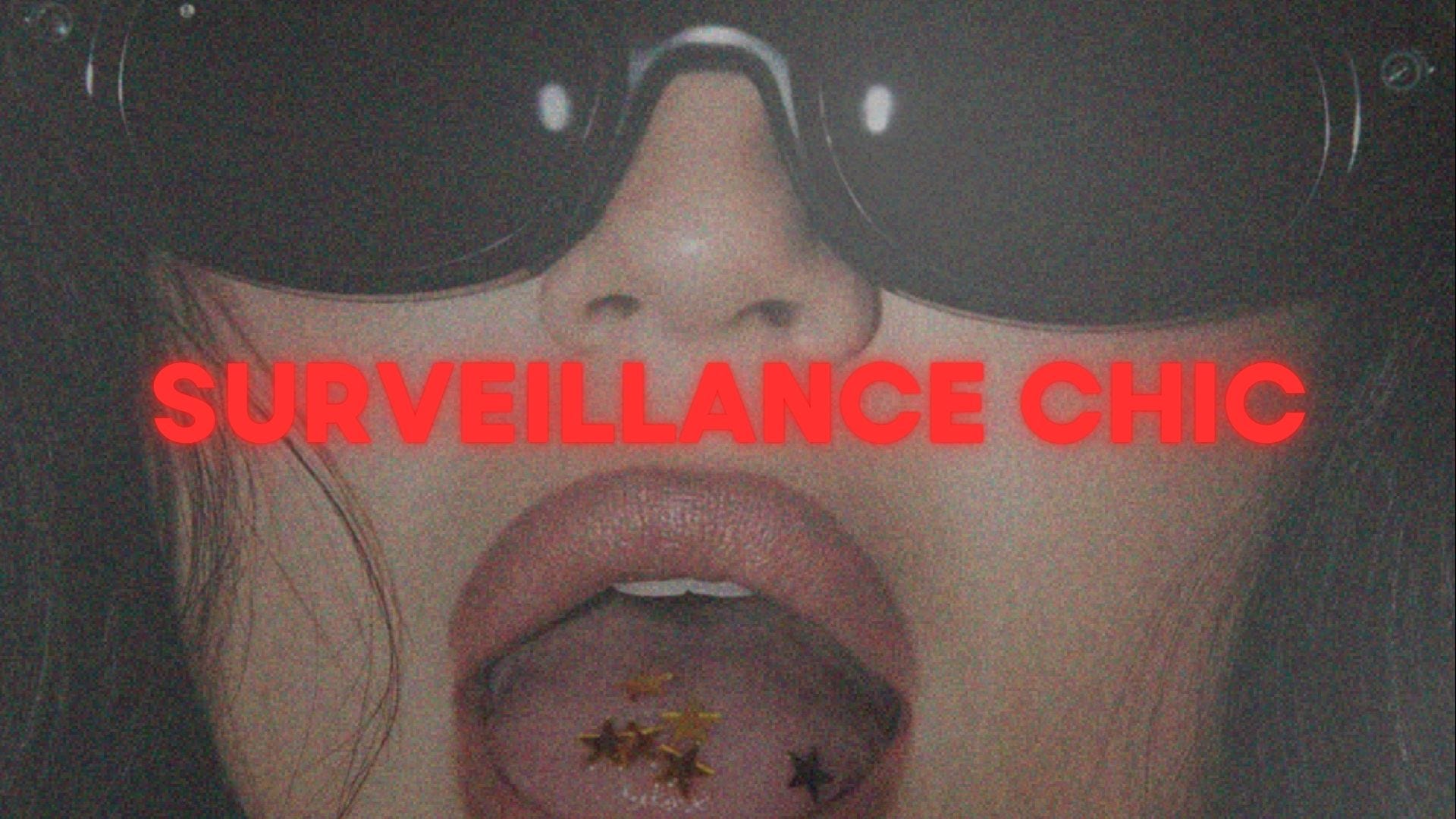
This is an edited version of an essay originally published as a SEED over at Protein.
The smart glasses market has truly heated up recently with both Snap and Meta launching flagship products into the space. Last month, Evan Spiegel unveiled Snap Specs, chunky statement frames promising “a new era in computing”. A few weeks ago, Meta announced its Starfire model in collaboration with Kylie Jenner, featuring a Kylie-voiced AI assistant alongside a built-in camera.
In both cases, the vibe has noticeably shifted. Wearables are no longer positioned as state-of-the-art gadgets for nerds, but as credible fashion accessories for tastemakers.
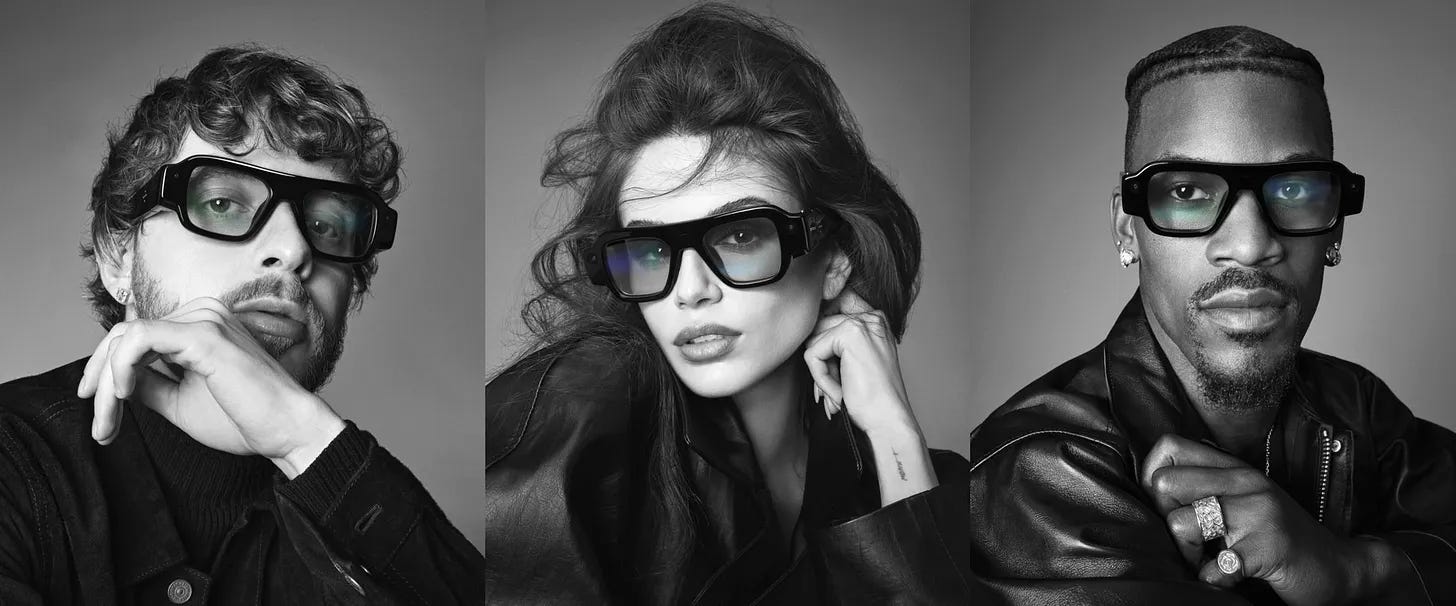
Snap invested in artful black-and-white images of models and celebrities wearing the Specs, shot by esteemed fashion photographer Steven Meiselt, to establish a sense of cultural currency. In contrast to Meta’s previous smart glasses, which leaned into the Wayfarer silhouette favoured by the Silicon Valley crowd, the Starfire edition is slim, oval and sparkly – intentionally designed for the kind of customer who might otherwise flinch at the idea of wearables. The marketing strategy has followed suit, with Starfire positioned for shelf placement alongside regular sunglasses rather than in the gadget aisle, and the fashion press invited to review the product alongside tech journalists.
Despite the tech industry’s fervent attempt to shed the stigma around augmented smart glass tech, public pushback and suspicion persist. Surveillance paranoia is nothing new. But as Meta, Snap and, soon, Apple push us towards a future where everyone is wearing a hidden camera with built in facial recognition (potentially tracking and filming others without their knowledge), that paranoia is intensifying.
In the wake of Meta’s glossy launch campaign for the Starfire glasses, criticism has flared online. Commentators have dismissed the frames as a “hyper-surveillance state styled by celebrities”, “Cybertrucks for the face”, while others have flagged them as yet another tool that could enable creepy men to covertly film women in public.
Meta has previously been warned by civil rights groups that facial recognition in smart glasses could endanger abuse survivors, immigrants and LGBTQ+ people. And by normalising the tech through the stylish sheen of tasteslop, whether by paying fashion influencers or hiring hotshot photographers, the company is effectively attempting to legitimise the arrival of a surveillance state.
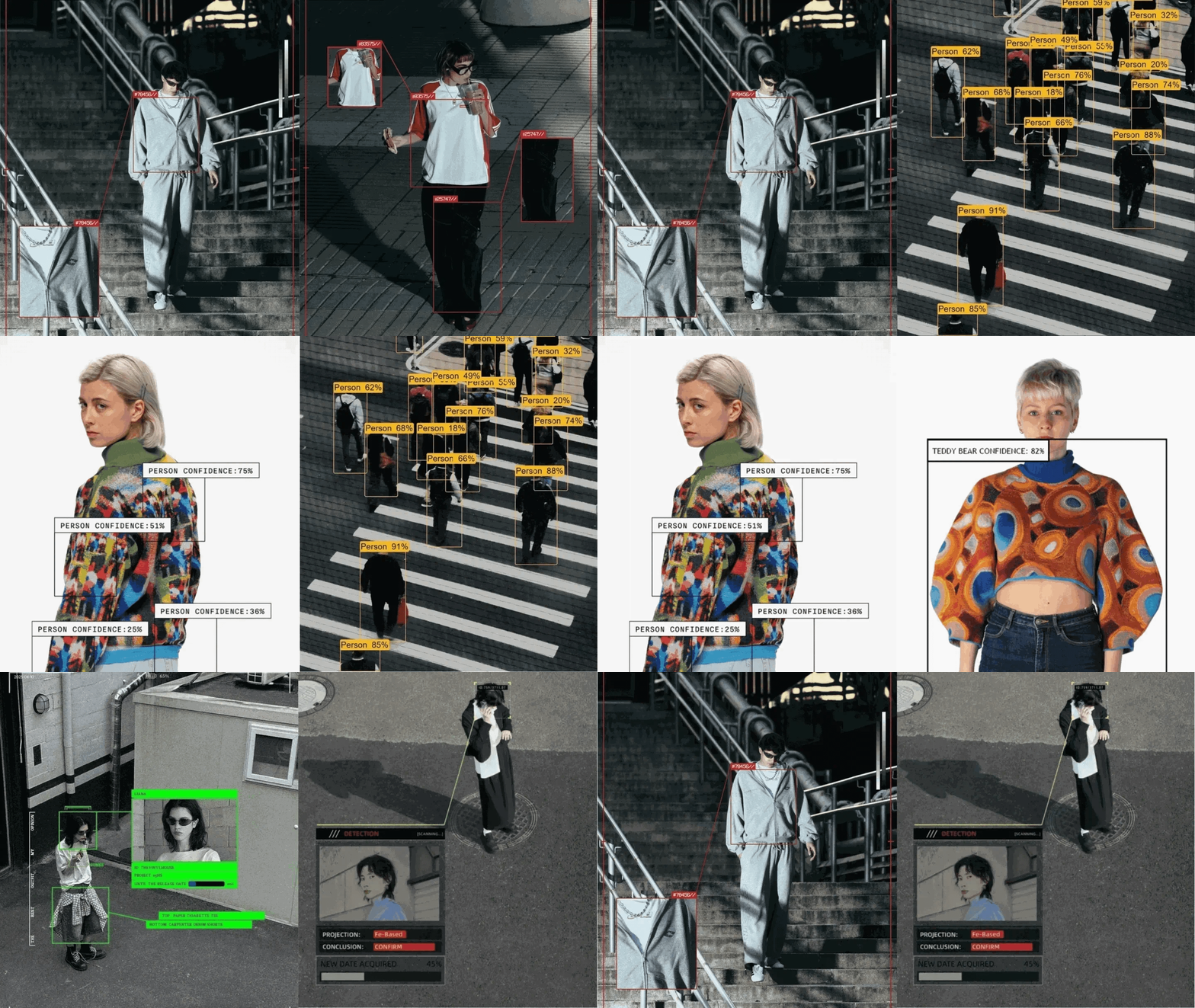
The unease has intensified to the point that a cottage industry of anti-surveillance solutions has emerged. This ranges from Italian fashion start-up cap_able’s knitted clothing, whose patterns are engineered to thwart surveillance technology, to CV Dazzle, a makeup and hairstyling concept devised by technologist Adam Harvey to camouflage wearers from facial-recognition algorithms.
Meanwhile, more and more live venues and clubs are adopting no-photo policies in an attempt to curb incessant content capture, encourage people to stay in the moment and protect attendees’ privacy. It is a policy that will surely become more difficult to enforce as augmented glasses become more mainstream.
Artists, too, are finding inventive ways to spotlight surveillance culture’s steady creep into everyday life. Most recently, trip-hop duo Massive Attack replicated Palantir’s facial recognition software at their live shows, using custom tech to pick out audience members in real time and display fictional data about them, confronting people with just how much Palantir allows companies and governments to harvest.

Despite the pushback, and the very real issues at stake, the fly-on-the-wall aesthetics of smart glasses, CCTV and bodycam footage seem more seductive than ever for creatives and brands alike. Last year, British artist and photographer Nadia Lee Cohen took self-surveillance to the next level, offering viewers an unedited POV glimpse into otherwise private moments in and around the Coperni show. Elsewhere, brands including Cold Culture, Dub Apparels and Cactus Jack have utilised grainy CCTV, spy-cam footage and facial-recognition overlays in campaigns and social content, as a way to subvert the hidden, all-seeing gaze that accompanies increased digital monitoring.
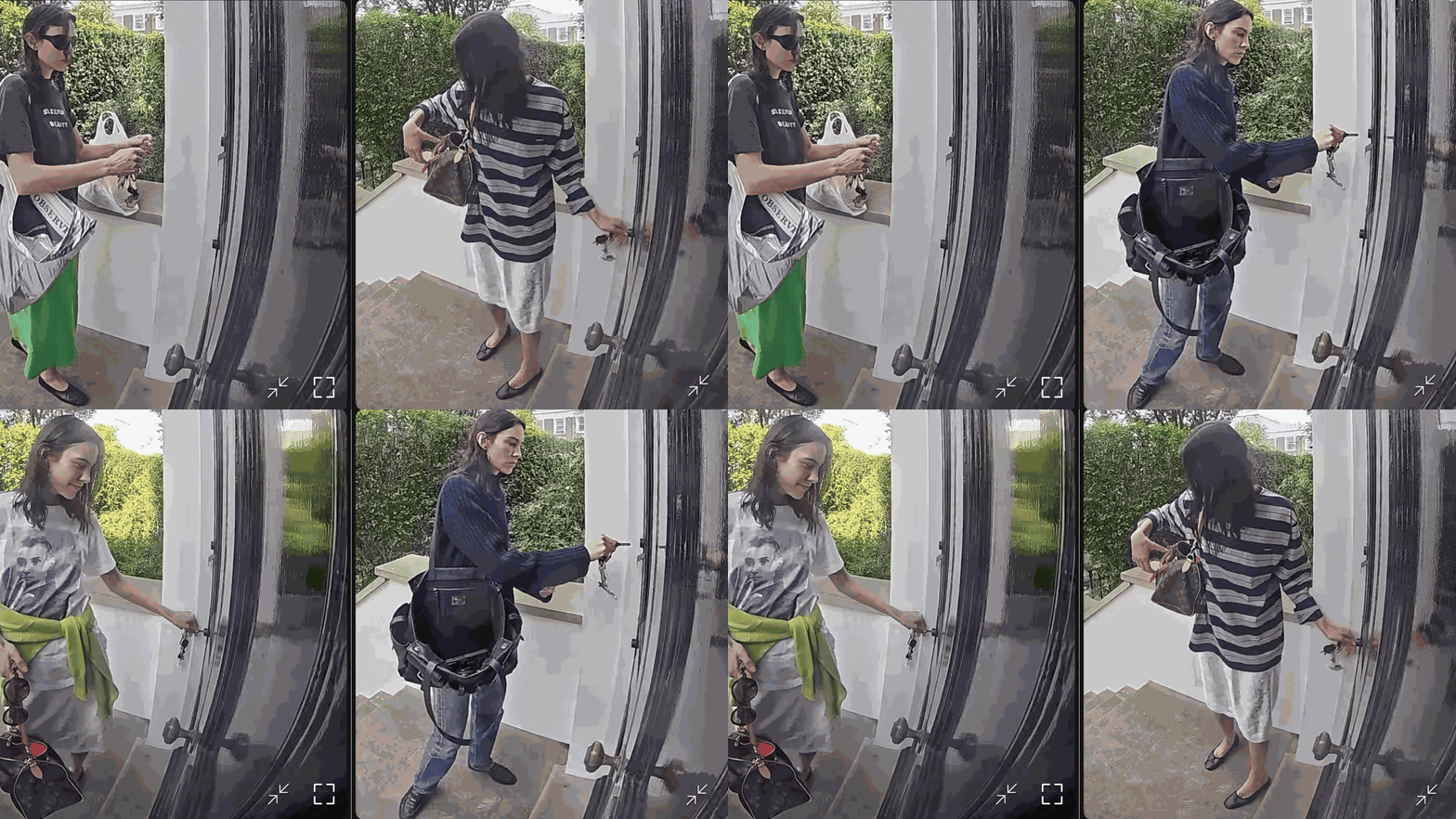
Sometimes, it’s simply about utilising the raw, unpolished immediacy of an obscured camera, as in Alexa Chung’s recently posted Instagram fit checks, shot through her Ring cam. Capturing the covert, in-motion framing of a doorbell camera recording her as she moves, the images feel effortlessly cool and unbothered in a way that a conventional staged photoshoot could never achieve.
Brand strategist and researcher Viktoriia Vasileva has coined the term “Panopticon Chic” to describe the new visual language inspired by surveillance tools. By filming through the lens of body cams and wearables, creatives can turn ordinary moments into acts of voyeuristic exhibitionism: “the tech that usually makes me uncomfortable feel like an opportunity for creative expression,” Vasileva writes, and later adds: “surveillance tech is a character of its own that has the power to turn the most mundane happenings into a cultural statement”.
There is, of course, an argument to be made that integrating surveillance tech into our lives can be framed as an empowering reclamation of power rather than a concession to tech overlords. If we’re already living in a digital panopticon, why not take control of the camera? As Natasha Hoskins, co-founder of the tech and crypto community Boys Club, recently argued in a piece titled “f*ck it, it’s surveillance summer”: “People have a lot to say about being watched, and I get it. But we are already in a surveillance state.” She notes that being photographed has become routine at parties, concerts and restaurants, and suggests that a stylist pair of Meta glasses could at least help build a future in which AI is more personalised and useful to its wearer.
Whether the tech industry’s strategy of turning wearables into legitimate styling objects will pay off remains to be seen. Some might see a pair of sparkly Meta glasses or sleek Snap specs as a benign, tech-savvy accessory. But the more pressing question is whether the playful embrace of smart glasses and CCTV gives us greater power to control the narrative, or simply normalises mass surveillance at the expense of privacy.
And so brands and creators have a choice: they can continue to subvert the visual language of surveillance, or challenge the technologies encroaching on society and offer a sense of privacy away from the prying eyes of the digital panopticon.
As always-on cameras invade more corners of daily life – from bedroom surveillance technology to the use of facial recognition in ICE’s mass deportation drive – a pair of Kylie-voiced, gem-encrusted Specs may point toward something more sinister down the line.
Ring camera move is genius tho
Even the Nike WC campaign RIP the Script, leveraged this ‘surveillance’ aesthetic